A Field Guide · IMC · 2026
Project management at IMC.
About Trainer
Anh Vu · PMP Trainer · Senior PM · devops4pm
- 10 years of project management experience.
- Digital transformation projects in finance & banking for UK, US, Singapore companies.
- My purpose: help YOU equip standard knowledge & practical tools to solve real project management problems.
Try tools & methods you can USE next Monday.
About PMI
PMI (Project Management Institute) is the global professional body for project management: it publishes the PMBOK® Guide (now 8th Edition) and administers the PMP® credential.
- More than 1.6 million people hold the PMP worldwide, across 200+ countries — a shared language used the world over.
- In Vietnam, it is still growing — an estimated ~6,000 PMP holders.
- We use this global standard as a map and common language, not as exam prep — so every function can describe the same things the same way.
PMBOK® & PMP®
Quick game — PM fun facts
Phones out. 8 fast questions about projects.
Three sessions, Project Operating System
See the holistic system. Zoom in components. Continuous improvement.
WHAT a project is?
HOW IMC governs them?
Takeaway: See the big picture.
PM Knowledge.
Practical toolkit.
Takeaway: Manage 1 project right.
Find bottlenecks.
PDCA loops.
Takeaway: Start next Monday & keep iterating.
1 AI-for-PMs roadmap
Takeaway: Biggest shift in PM work!!
Session 1 — Foundation
- 01WHY organizations need projects?
- 02WHAT a project is?
- 03HOW IMC governs projects?
- 04See the big picture. IMC Project Portfolio Dashboard.
Connect YOUR project with IMC Org structure & strategy.
WHY projects?
Organizations need a vehicle to turn ideas into realities.
YOUR project: Write down the purpose/ goal. Why does it exist?
How organizations change reality
WHAT is a project?
A temporary endeavor undertaken to create a unique outcome.
| Characteristic | What it means in practice |
|---|---|
| Temporary | Defined start and defined end. A project that never closes has become an operation — or a symptom. |
| Unique | No two projects are identical. Copying last year's approach without adapting it is a leading cause of failure. |
| Outcome | The goal is a result the organization can use — not the activity itself. |
Each started as a project
Project vs. operations
Both are work. Both consume resources. The difference is in the shape of the work — and what management it needs.
| Project | Operations | |
|---|---|---|
| Goal | Deliver a unique outcome | Sustain a steady output |
| Lifespan | Has a beginning and an end | Continuous |
| Team | Cross-functional, temporary | Usually within one function |
| Success | Outcome delivered, project closes | Stable outputs |
| At IMC | OEM project, factory build, market entry | QA testing, production runs, monthly close |
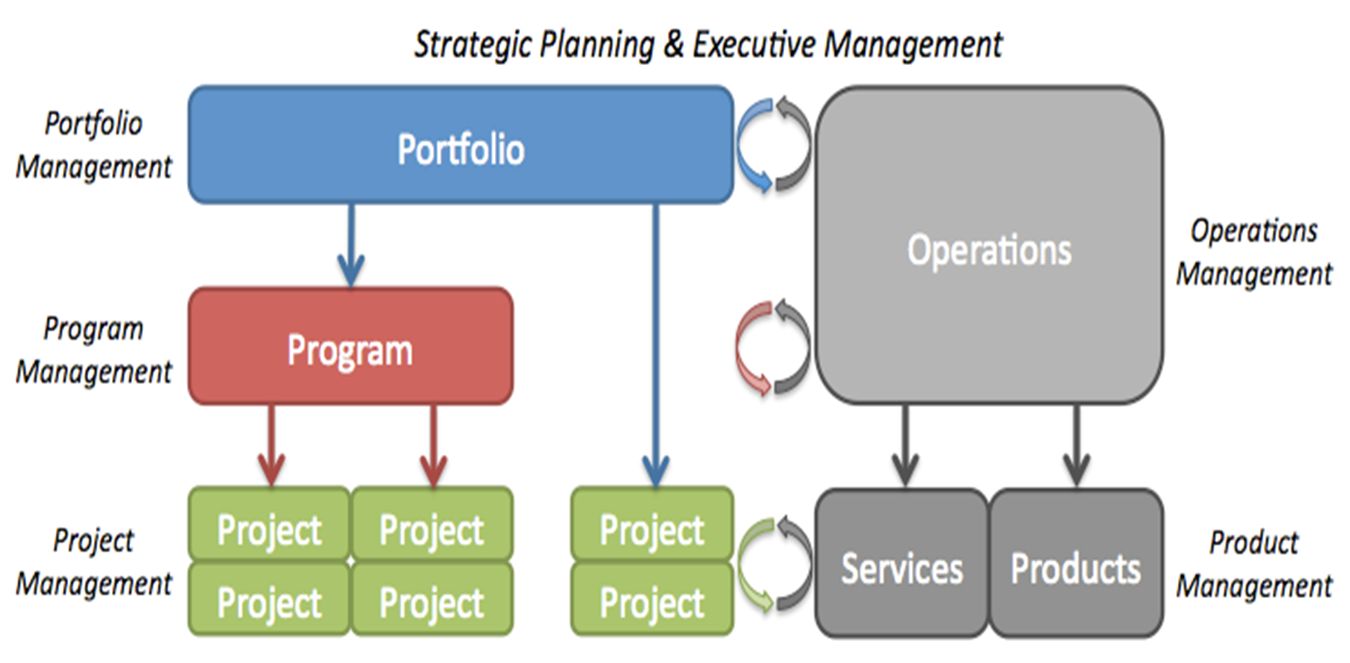
Project & operations in the bigger picture
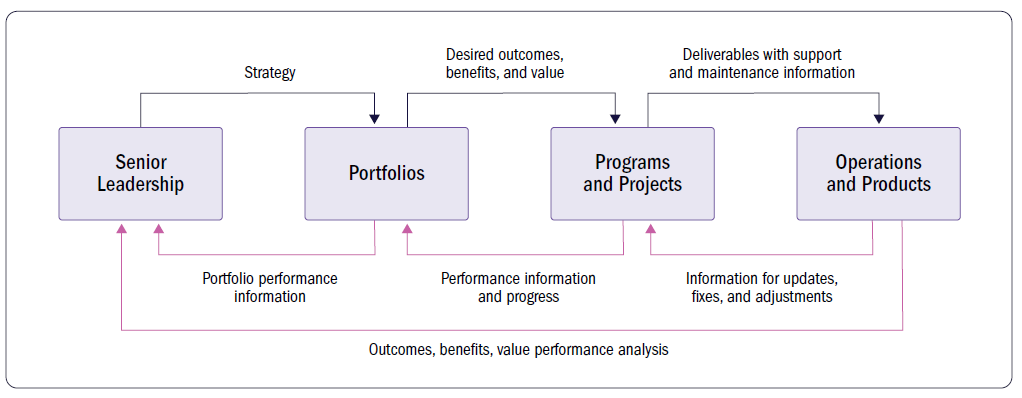
System for Delivery
Org structure — Functional
The big picture also includes how the organization is wired — because structure decides how much authority a project leader really has.
Org structure — Project-oriented
The organization is built around projects. People report to a project manager who owns the budget and the team.
Org structure — Strong Matrix
A dedicated Manager of Project Managers sits alongside the functional managers. PMs pull specialists across functions for the life of a project.
Group discussion — compare the structures
In your table, fill the boxes — advantages and disadvantages of each structure. Then: which one is IMC, really?
| Project-oriented | Functional | Strong Matrix | |
|---|---|---|---|
| Advantages | |||
| Disadvantages |
What the survey told us
Common challenges when delivering projects.
- 01Scope creep — requirements shift mid-project without a formal change process.
- 02Insufficient resources — same people spread across too many projects at once.
- 03Cross-dept coordination gaps — handoffs between functions lose days, sometimes weeks.
- 04Unclear decision ownership — no single named owner when conflict or ambiguity arises.
- 05Info silos — project status is invisible to leadership and adjacent teams.
Group Discussion: Pick the most painful one. What're you doing with it? Any wish/ suggestion to solve it?
HOW — IMC governs projects?
Governance answers: who decides what, when & how do we know things are on track?
| Governance element | At IMC today |
|---|---|
| Project authorization | How is a project formally approved to start? |
| Roles & accountability | Who owns delivery? Who sponsors it? Who is consulted? |
| Communication model | How does leadership see status across all projects? |
| Workflow / approach | How & when things will be planned, delivered, verified, changed. |
| Closure & lessons | How does IMC formally close a project and capture what it learned? |
Both are governance problems — not execution problems.
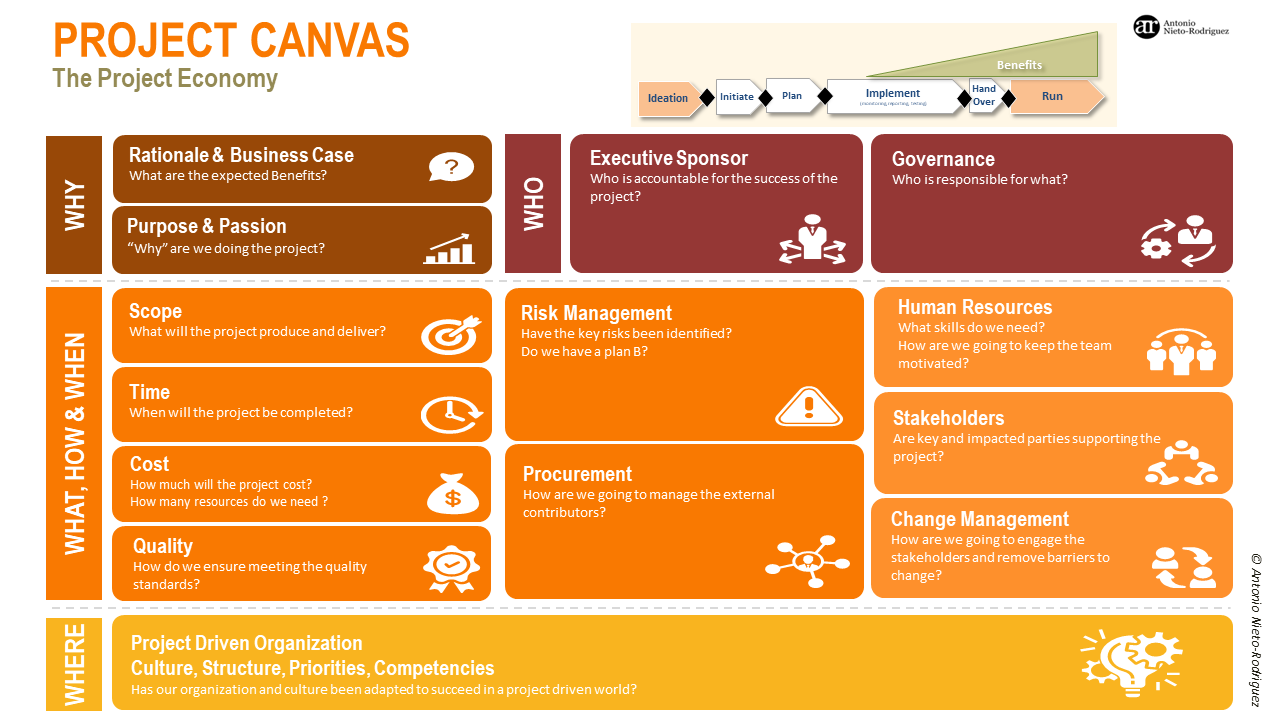
Activity — Fill YOUR Project Canvas
IMC's project types & tailored governance
Each project type brings different constraints, challenges, and governance NEEDS — but the key questions and areas to manage remain the same.
Stacey Matrix
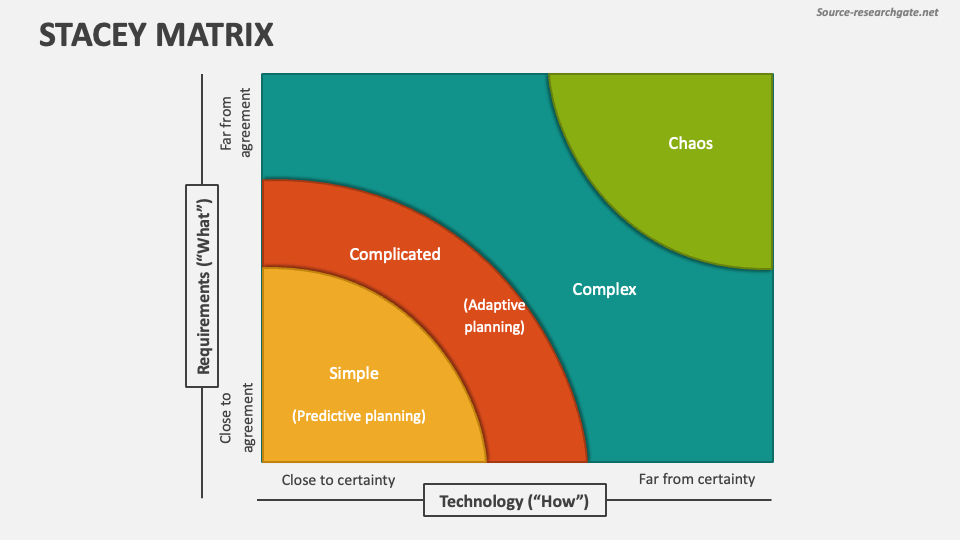
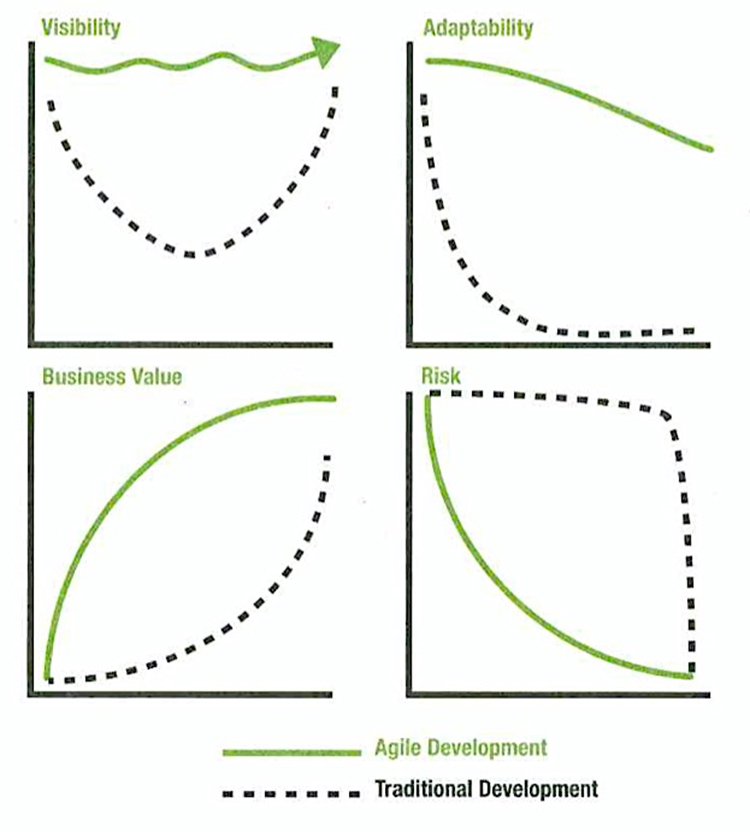
Predictive vs Adaptive
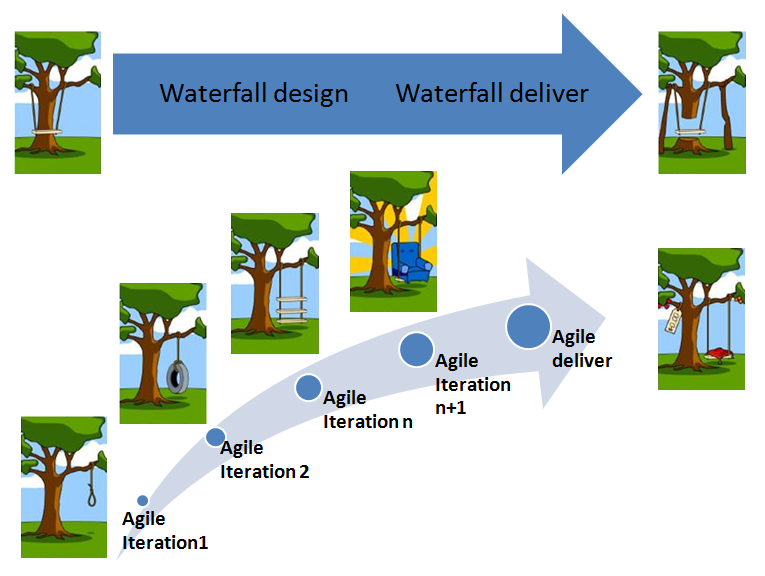
Group discussion — What are the different characteristics?
IMC Project Portfolio Dashboard
No project runs alone. Senior leadership reads them together — as bets on IMC's strategy. One view connects every project to the bigger picture and the strategic changes it drives.
| Project | Strategic bet | Status | Next milestone | Decision needed |
|---|---|---|---|---|
| Customer OEM/ODM line | Grow OEM revenue | ● On track | Pilot batch · Jun | — |
| New own-brand product | Own-brand portfolio | ● At risk | Formula sign-off | Approve marketing budget |
| New production line | Capacity & capability | ● On track | Equipment install | — |
| Market entry — new region | New markets | ● Blocked | Product registration | Choose local partner |
· Speak in outcomes & value ("we'll hit the Jun launch"), tied to the strategic bet.
· Report by exception — flag red/amber and the ask; don't narrate what's green.
· Surface bad news early: an early red is governance, a late red is failure.
Activity — IMC Project Dashboard
In your department group, list the projects your department is involved in. Capture each project's highlights on the dashboard — status, owner, next milestone, the decision you need.
Wrap & what comes next
You now have a shared language for projects at IMC. Session 2 gives you the toolkit to run them.
Do you have a bigger picture of how the whole system is moving?
Session 2 · June 2026 · 3 hours · onsite at IMC